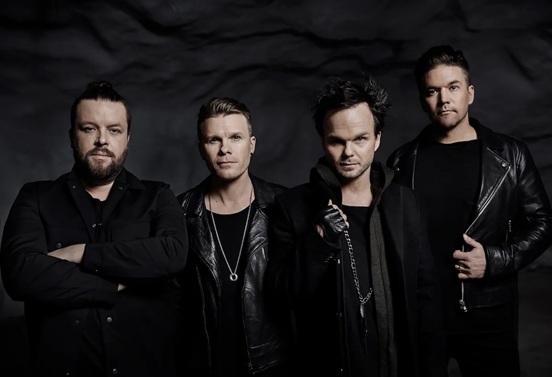

The Rasmus are one of the most successful rock bands to come out of Finland, and over the years they have built a strong international following. Their music combines dark atmospheres, emotional melodies, catchy choruses and a unique visual style that makes them stand out from many other groups. They have survived changes in the music industry, experimented with different sounds and managed to remain relevant for more than two decades. In this article we will examine the story of this iconic band, which will visit our country for a live show in Athens on October 25, 2025!
by Dimitris Zacharopoulos
The Rasmus formed in Helsinki, Finland, in 1994. The original members were Lauri Ylönen (vocals), Eero Heinonen (bass), Pauli Rantasalmi (guitar) and Jarno Lahti (drums). They were still teenagers when they started, playing together while attending school. At first, their style was closer to funk rock and alternative pop, inspired by bands like Red Hot Chili Peppers.
In 1996 they released their debut album “Peep”. The album introduced them to the Finnish audience and sold quite well for a young band. Only one year later, in 1997, they put out their second album, “Playboys”. This record helped them gain even more recognition in their home country. By 1998, they had released their third album, “Hell of a Tester”, which showed a darker and heavier side of their music.
Even in these early years, The Rasmus were known for their energy, their melodic sense and Lauri’s distinctive voice. They were still a local success, but soon the doors to the international scene would begin to open.
The early 2000s were a turning point for The Rasmus. First, they changed drummers, with Aki Hakala replacing Janne Heiskanen. This lineup – Lauri, Eero, Pauli, and Aki – became the “classic” version of the band, the one that would bring them worldwide fame. In 2001 they released the album “Into”, which was their first real breakthrough outside Finland. Songs like “F-F-F-Falling” and “Chill” showed a more polished sound, mixing melancholy and rock energy. The album sold over 400,000 copies in Europe and made The Rasmus one of Finland’s most successful musical exports at the time.
But the real explosion came in 2003 with “Dead Letters”. The single “In the Shadows” became a massive hit worldwide, reaching the charts in more than a dozen countries. The song’s dark, mysterious feel, combined with its unforgettable chorus, made it a classic of early 2000s rock. “Dead Letters” sold millions of copies and turned The Rasmus into an international phenomenon.
During this time, the band also developed their gothic-influenced image: black clothing, dramatic visuals, and Lauri’s famous feather hairstyle. This look, combined with their music, gave them an identity that appealed to fans of both mainstream rock and darker alternative scenes.
After the success of “Dead Letters”, The Rasmus faced the difficult task of following it up. In 2005 they released “Hide from the Sun”, which continued their dark, emotional rock style. The singles “No Fear” and “Sail Away” became fan favorites, and while the album did not match the explosive sales of “Dead Letters”, it showed that the band could continue delivering strong material.
In 2008 they returned with “Black Roses”, an album that experimented more with electronic sounds and orchestral arrangements. Produced by Desmond Child, a famous songwriter and producer, it gave songs like “Livin’ in a World Without You” a more dramatic and theatrical edge.
By this time, The Rasmus were already a veteran band, but they continued touring worldwide, playing festivals and headlining their own shows. Their music remained emotional and melodic, with lyrics often dealing with loneliness, inner struggles, and the search for hope.
In 2012 The Rasmus released a self-titled album, “The Rasmus”. This record saw them experimenting with a lighter, more pop-oriented sound, as in the single “I’m a Mess”. While some fans missed the darker atmosphere of earlier albums, the band wanted to show a different side of themselves. After years of constant activity, they took a short break, with members focusing on family and personal projects. During this time, Lauri Ylönen also released solo material.
The Rasmus returned with new strength in the late 2010s. Their 2017 album “Dark Matters” mixed modern pop elements with their familiar melancholic rock sound. Songs like “Paradise” showed they were still experimenting and adapting to new musical trends.
In 2022, longtime guitarist Pauli Rantasalmi decided to leave the band. He had been one of the founding members, and his departure was a big change. Eventually, The Rasmus welcomed Emilia “Emppu” Suhonen as their new guitarist, giving the band fresh energy and a new dynamic.
In 2022, they surprised fans by announcing their participation in Eurovision Song Contest as Finland’s entry. Their song “Jezebel”, co-written with Desmond Child, was energetic, catchy and had a powerful message about strong women. Although they did not win, their performance was widely appreciated, and it reminded the world that The Rasmus were still very much alive and active. In 2022 they also released their latest album, “Rise”. This record was both a reflection on their past and a step into the future. Songs like “Rise” and “Live and Never Die” carried themes of survival, hope and rebirth – fitting messages for a band that has endured so many changes.
A few days ago, on September 12th 2025, The Rasmus offered their eleventh studio album, dubbed “Weirdo”, which has had five of its ten songs released as singles – “Rest in Pieces”, “Creatures of Chaos”, “Break These Chains”, “Love Is a Bitch” and “Weirdo” …
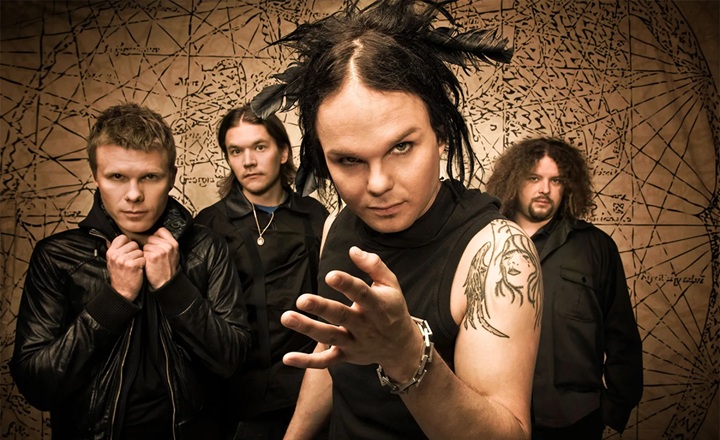
… What makes The Rasmus special is the balance between dark and light in their music. Their songs often sound melancholic, but they are also catchy and accessible. Lauri’s vocals are instantly recognizable, able to sound fragile and emotional in one moment, and powerful and soaring in the next.
Their sound has shifted over the years – from funky beginnings, to gothic rock success, to more pop-influenced experiments – but they always kept their core identity: melodic, emotional and honest. The feather image, the black outfits, and their visual storytelling have also helped them maintain a strong artistic identity.
The Rasmus are often mentioned alongside other Finnish rock and metal acts like HIM, Nightwish and Apocalyptica, who helped put Finland on the global music map in the 2000s. Among them, The Rasmus differed for being more pop-oriented.
Even today, they continue to tour around the world, showing that their music has stood the test of time.
With more than 30 years of history, millions of records sold and countless live shows across the globe, The Rasmus are no longer just “Finland’s band” – they are a respected international act with a loyal fan base. As they step into the future with a refreshed lineup and new energy, one thing is certain: The Rasmus will keep shining, carrying their mix of melancholy and hope to audiences around the world.