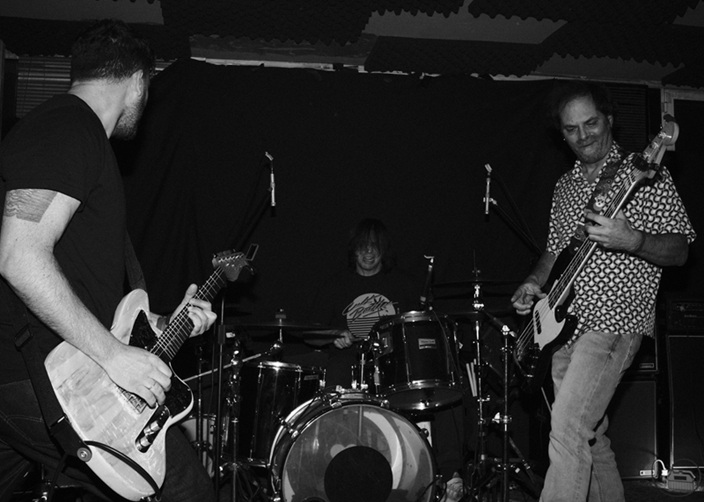
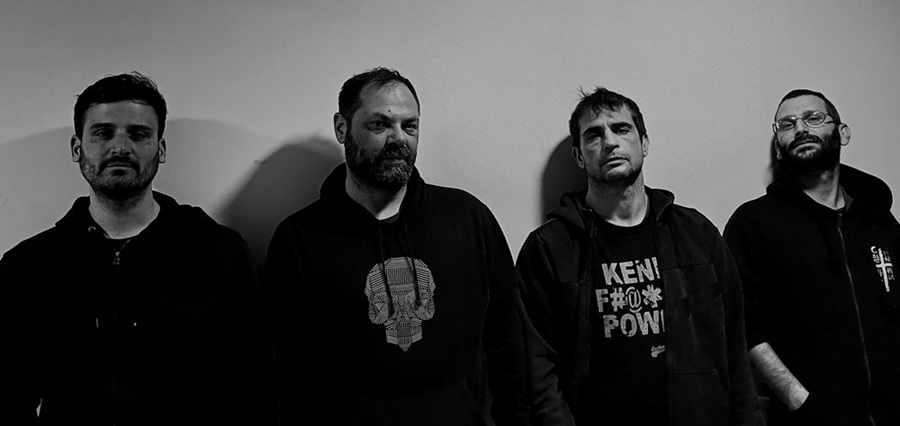
Blending heavy riffs, massive grooves and psychedelic atmospheres, Space Gravel come to the front with their debut album, “Inside”. Built around the powerful combination of bass and drums, their sound brings together stoner rock, space rock, post-punk and electronic influences, creating an instrumental journey full of fuzz, energy and trippy moments. “Inside” captures the chemistry of four musicians with different tastes, but a common musical vision. We talk with Space Gravel about their beginnings, creative process, debut album and future plans.
by Dimitris Zacharopoulos
Give us a short biography of Space Gravel.
Space Gravel started with Dimitris (bass) and Alex (drums) building the rhythm section of the songs. Dimitris brought the “blueprints” of each song and together they started playing and crafting the main structures. Later, Ntinos joined the band, adding the first psychedelic colors to our sound, and last but not least, Mike entered the band with his post-punk attitude to complete the team.
Why did you choose the name “Space Gravel” for the band?
We play dirty massive basslines with heavy drums and fuzzy space guitars, so we wanted a name to sound like that. We felt it was catchy and it gave us a good feeling about our music identity. In other words, it combines a trippy and a gritty feel, the two basic ingredients of the band.
You have just released your debut album, “Inside”. How are you feeling about that? Which are your ambitions for this record?
It feels great. We worked very hard to get here, and it is a nice thing to see your efforts paying off. We want the album to be among the good debut releases of bands like us, and not only. It is always an ambition of anyone who creates something to be understood and to receive good feedback about the work they did.
How would you define your music? Which are your main influences?
We like to call it “heavy space”, just to give a clue of what is going on. Our main and common influences are bands like Qotsa, Sleep, Mantra Machine, Tuber, Kyuss, Slift and even The Prodigy and Richie Hawtin from the electronic scene. We like music so we don’t exclude anything.
How were the songs of your debut composed?
All songs started with bass and drums. We built the structures from start to finish, leaving space for guitar parts because we didn’t have them yet. Later, Ntinos and Mike started infusing the songs with guitar riffs, solos and anything they felt like playing. Once the songs took shape, we had a better idea of what to keep and what to cut. That’s how we developed the complete versions out of the first rhythm ideas.
How much important are rehearsing and jamming for Space Gravel?
You can’t have a band without them.
Where was the album recorded? Who did the production, the mixing and the mastering? What do you remember the most from the recording and production process?
The album was recorded live at Suono Studio, and it was produced, mixed, and engineered by Alex Bolpasis. Nick Townsend did the mastering. The best part was all the hours we spent at Suono recording. It was very tiring, but there was a very strong and warm team spirit. Of course, Alex Bolpasis helped a lot to create this feeling.
The songs of this first album are instrumental. Why did you decide not to have lyrics in these songs?
We started out playing just basslines and drum grooves, and the first thing missing was the guitars. When Ntinos and Mike joined the band, we were so satisfied with the result that we weren’t searching for anything more. Maybe we wanted to be carried away by the music alone. We are not banning vocals, or anything else that might fit our taste, but for now, we are going instrumental.
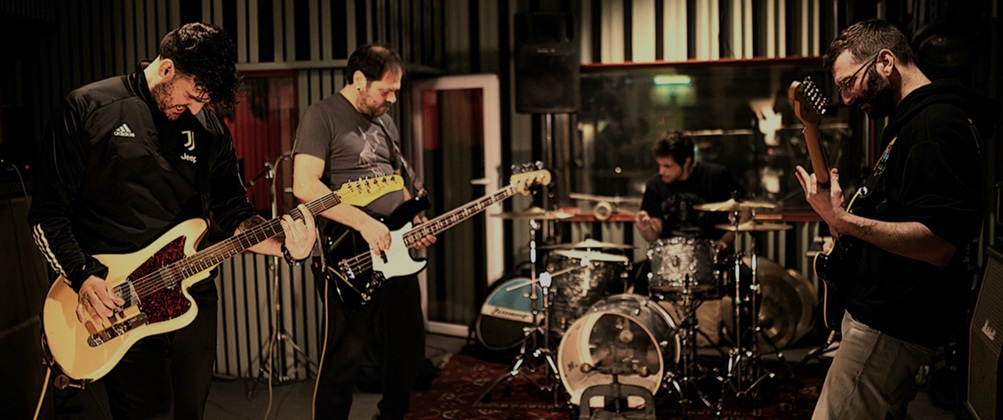
The rhythm section seems to be at the heart of the Space Gravel sound. How important are Dimitris and Alexis in creating the groove that the guitars can build on?
On this album, it definitely was the engine of the band. We like to build our tracks like this, but we know it’s not the only way to do it. It is just very helpful to have something steady and massive to grab onto when you want to trip out with the guitars, and this is what we try to do. In order to let the guitars loose, you must have a solid reality to come back to.
The title “Inside” has several possible meanings. What does the word personally mean to each of you, and why did you choose it for the album?
We didn’t have a long conversation about what it meant to each of us. We talked a little bit about the word and what it could mean, and when we realized that it would turn into a long conversation, we stopped and just kept the title.
You said that there are no real clashes between you, even when “the 10 of one is the 0 of the other”. What keeps four musicians with different tastes moving in the same direction?
For us, it is the fact that our tastes make for a good blend. Our differences create nice contrasts, and we like communicating through them. Also, we are friends, and probably share the same definition of the word “friend”.
Was there a particular song on “Inside” that was difficult to complete or took a completely different shape during the rehearsals?
The most difficult song was “Tropical Fruit”. The beat loops, and the guitars must be in place and in space at the same time. One little mistake could cause everything to collapse. Now, it is a very fun piece for all of us to play. As for changing shapes, we reworked “Rapentosa” a lot. It had many parts that we decided to cut out in order to make it sound heavier.
You presented the album live at Death Disco on October 3rd. How did this go?
It was great. Everyone was dancing, and there was a warm atmosphere. The sound was good, and the people of Death Disco were really nice and helpful. It was a night to remember.
Which are your future plans?
New material and more gigs.
Send a message to our readers please!
Play music and listen to Space Gravel.