
In the dark heart of the Swiss Alps, deep inside an atomic bunker, a storm was born. It was in 1987 in Sion, when two brothers — Vorphalack (Vorph) and Xytraguptor (Xy) — locked themselves underground and began crafting a sound that would later shake the foundations of extreme metal. What started as raw black metal with primitive production would soon evolve into something much more complex: a fusion of black, industrial, electronic, and symphonic metal that gave Samael their unmistakable identity. For nearly four decades, Samael have remained one of the most visionary and forward-thinking acts in extreme music. Their story is one of constant evolution, defiance, reinvention — a journey from darkness to cosmic light, from underground obscurity to international acclaim.
As the band is ready to get on stage in Athens and Thessaloniki, Greece, Myth of Rock is looking back to the story of this dark innovating band, the one and only Samael!
by Dimitris Zacharopoulos
Samael’s first steps were typical for an underground black metal band in the late ’80s — raw, chaotic, evil-sounding. Their early EP “Medieval Prophecy” (1988) was self-financed and captured their grim energy. However, it was their debut album “Worship Him” (1991) that announced their arrival to the metal world.
Released through the young label Osmose Productions, “Worship Him” was a cold, minimalist slab of black metal that stood alongside the early works of Venom, Bathory and Hellhammer. Its slow, ritualistic pace and cavernous atmosphere set Samael apart from the thrash-driven chaos of the time. With songs like “Into the Pentagram” the band laid the groundwork for what would become their trademark style — heavy, hypnotic, deeply spiritual.
The addition of bassist Masmiseîm (Mas) gave the band more power, allowing them to perform across Europe, including Poland and Russia — rare territory for extreme metal acts in those days.
With “Blood Ritual” (1992), Samael began to move beyond traditional black metal. Produced by Waldemar Sorychta, the album combined darkness with precision, brutality with melody. It was their first release on Century Media, a partnership that would elevate them to the next level.
Their European tour with Unleashed and Tiamat, followed by appearances alongside Fear Factory and Brutal Truth, exposed Samael to a wider audience. By this point, they were no longer just another underground act — they were a rising force with a distinctive sound and vision.
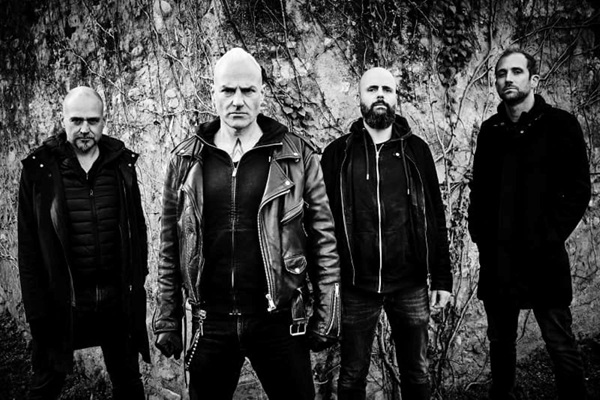
Then came “Ceremony of Opposites” (1994) — the album that changed everything. Still working with producer Waldemar Sorychta, Samael created a masterpiece that bridged the worlds of black and industrial metal. For the first time, keyboards were a central element, giving the music an epic and ritualistic aura. Tracks like “Black Trip”, “Son of Earth” and the timeless “Baphomet’s Throne” captured a unique balance of aggression, atmosphere and mysticism. The album’s production was crisp, the riffs razor-sharp and the vocals dripping with venom and grandeur. Samples, including the voice of Aleister Crowley and fragments of Mussorgsky’s “Pictures at an Exhibition”, deepened the occult mood.
“Ceremony of Opposites” was a transformation. Samael had transcended black metal and entered a new dimension. They toured heavily, sharing stages with Morbid Angel, Cannibal Corpse, Grave and Therion, conquering both Europe and the United States. Even today, “Ceremony of Opposites” is regarded as one of the most important extreme metal records ever made — a turning point for the genre itself.
After the “Rebellion” EP (1995), Samael made a bold decision — they replaced their live drummer with programmed drums. Xy moved from behind the kit to keyboards and programming, a move that shocked fans at first but became one of their defining characteristics. Their next full-length, “Passage” (1996), pushed their sound into a cybernetic future. With martial rhythms, dense orchestration and a cosmic atmosphere, it felt like a soundtrack to a dark, futuristic ritual. Songs like “Rain”, “Jupiterian Vibe” and “My Saviour” remain fan favorites.
This was also the era, when Samael became one of Europe’s most respected live acts, appearing at major festivals like Wacken, Dynamo, and With Full Force. A classical reinterpretation of “Passage” by Xy under the name “Xytras Passage” showed the band’s growing ambition beyond metal boundaries.
Their 1998 album “Eternal” recorded at the legendary Mountain Studios in Montreux, fused classic rock warmth with electronic textures. Produced by David Richards (Queen, David Bowie), it expanded their musical universe even further, balancing cosmic themes with earthly emotion.
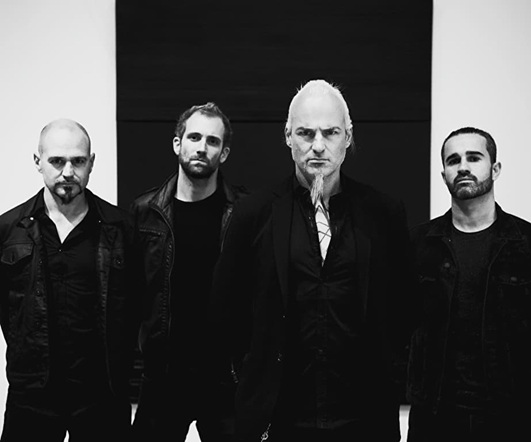
After experimenting with electronic music through the side project Era One, Samael returned to full strength with “Reign of Light” (2004). The album reflected a more accessible side of the band — polished, modern, hypnotic. Songs like “Telepath” and “On Earth” showed their ability to combine metal with darkwave and gothic influences.
In 2007, “Solar Soul” marked another peak in creativity. It was powerful, melodic and cinematic, with production by Xy and Waldemar Sorychta and mixing by Stefan Glaumann (Rammstein). The album’s futuristic spirit and anthemic sound brought Samael back into the spotlight, supported by a major tour alongside Nine Inch Nails and Iggy Pop.
But Samael were never a band to stay still. In 2009, they surprised everyone with “Above”, a raw, aggressive album that paid homage to their early black metal roots. It was fast, furious and uncompromising — a reminder that the darkness was still in their veins.
With “Lux Mundi” (2011), Samael united all their eras into one cohesive statement. Heavy, industrial and symphonic, it bridged their early ferocity with their later sophistication. Tracks like “Luxferre” and “Antigod” became staples of their live shows.
After the departure of longtime bassist Mas in 2014, ex-Sybreed member Drop joined the band, bringing fresh energy. Samael celebrated the 20th anniversary of “Ceremony of Opposites” with a special tour, performing the entire album live — a spiritual and sonic experience for fans around the world.
In 2017, Samael released “Hegemony” through Napalm Records — their most politically charged and dynamic work in years. Songs like “Black Supremacy” and “Angel of Wrath” blended industrial precision with melodic power, reaffirming their position as pioneers. The album’s concept — about balance, power, and control — reflected the band’s ongoing interest in philosophy, order and rebellion.
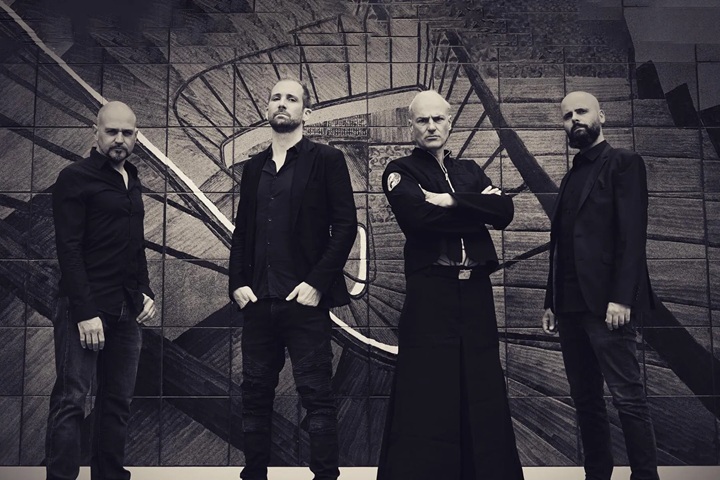
In recent years, Samael have celebrated their legacy with reissues of “Solar Soul” and “Lux Mundi” (2019) and the release of “Passage Live” (2024), recorded during a sold-out show in Krakow. Their lineup now includes Vorph (vocals, guitars), Xy (keyboards, programming), Drop (guitars) and Ales (bass), a tight and confident unit that continues to evolve.
Samael’s influence on extreme metal is undeniable. They were among the first to combine black metal with electronic and industrial elements, paving the way for acts like The Kovenant, Dødheimsgard and later Fear Factory and Rammstein in their darker moments. Their use of drum machines and samples, once considered heresy, became a standard for many industrial metal bands. Yet, no one ever matched Samael’s balance of darkness, beauty and technique. Their lyrical themes, exploring duality, spirituality, cosmic order and human transcendence, gave depth to their art, lifting them far above typical satanic or horror-driven metal.
Each era of Samael represents a chapter in metal’s evolution — from black to industrial, from underground to cosmic.
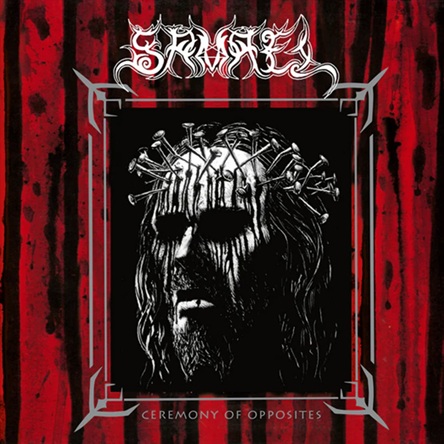
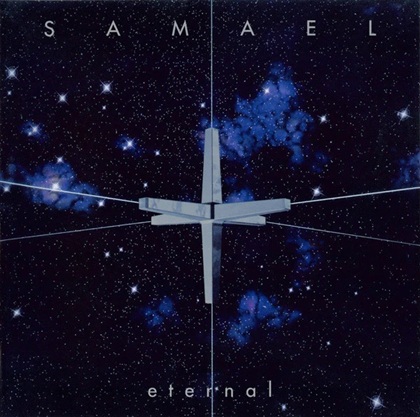
In 2025, their return to Greece for the exclusive “Ceremony of Opposites” shows will be dark rituals of sound and memory. Because Samael are not here to entertain, they are here to invoke. And after nearly forty years, their ceremony still burns with eternal fire.

1 comment
Samael’s shift from raw black metal to industrial fusion is legendary! What do you think was the pivotal moment or album where their ‘dark innovation’ truly clicked for both critics and fans? Curious how they balanced experimentation without alienating their core audience.