
They managed to become famous with a single song—one that everyone knows. Their name reached the ends of the earth thanks to just one track, a song that people loved and still love. However, after that song… chaos! They were never able to repeat the success of that hit, and they’ve lived in its shadow ever since. In the Rock and Metal Mythology column, “One Hit Wonder”, we’ll be exploring bands with stories like this. And we begin with Sniff ‘n’ the Tears and “Driver’s Seat”!
by Dimitris Zacharopoulos
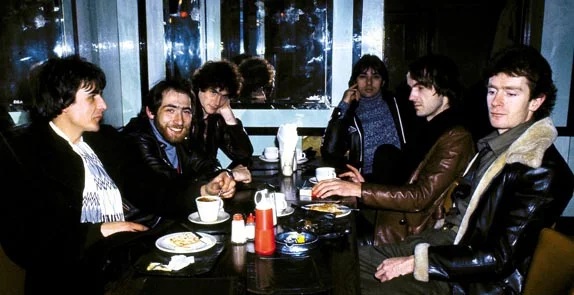
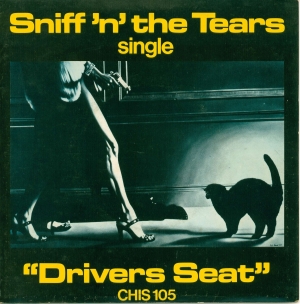
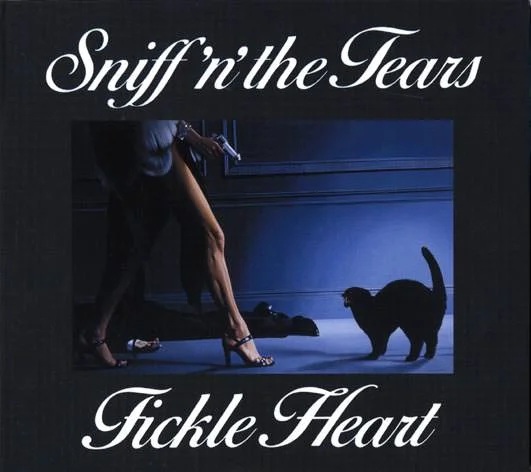
Sniff ‘n’ the Tears are the classic case of a one-hit wonder band. The band led by Paul Roberts released a massive hit, “Driver’s Seat”, in 1979, which climbed to No. 15 on the Billboard Hot 100 in September of that year and reached high positions on the charts in many other countries. The track is included on the band’s debut album, “Fickle Heart’, released by Chiswick Records, and it was the second single from the record (the first being “New Lines on Love”).
After this major success, Sniff ‘n’ the Tears didn’t achieve anything equally significant. They released a series of albums throughout the ’80s, then disbanded and reunited in the early 1990s, split up again, and eventually returned with a new album in 2011. Finally, in 2020, they released the acoustic album “Jump”…
Some songs feel like they were carefully engineered to become hits. “Driver’s Seat” wasn’t one of them. It came together almost by accident, survived years of uncertainty, and somehow turned into a timeless track that still pops up in films, TV shows and playlists, decades later.
The story begins in the summer of 1973, when singer/songwriter Paul Roberts was living in a small, not-so-glamorous room in Hammersmith. The place had a noisy fridge and even a mouse—hardly the setting you’d expect for inspiration. But one night, after being woken up, Roberts went out for a walk and a guitar riff suddenly hit him. It was one of those ideas you can’t ignore. He rushed back, found the right chords, and wrote the song quickly. Just like that, “Driver’s Seat” was born. At the time, Roberts didn’t even use the song much. Shortly after writing it, he left England and moved to France, where he spent a couple of years. He played the song occasionally—once even singing it in a Paris restaurant, but it remained just another track in his notebook.
Fast forward to the mid-1970s. Early demos of what would become Sniff ‘n’ the Tears were recorded in London, including “Driver’s Seat”. Nothing happened with them initially, and Roberts became disillusioned with the music business. He stepped away and focused on painting instead, even planning exhibitions.
Then came the turning point.
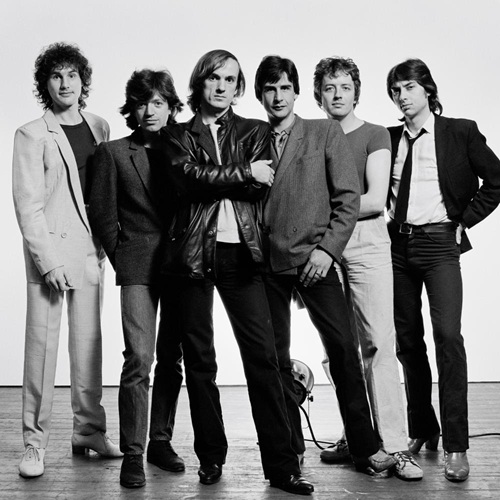
Luigi Salvoni, the drummer from a band called Moon, had worked on those demos and believed in the material. He contacted Roberts around 1977 and convinced him to give music another shot. Salvoni pushed things forward, brought musicians together, and secured studio time. Slowly, the project came back to life. When they started properly recording “Driver’s Seat,” the first version didn’t quite work—it sounded too crowded. The breakthrough came thanks to a young engineer, Steve Lipson. He experimented with the track, stripping away parts—especially the electric guitar in the verses—and suddenly everything clicked. The song had space, groove, and that unmistakable hypnotic feel. They re-recorded it with this cleaner, tighter approach, slightly faster too. That decision made all the difference. What had once been just a good song became something special. The track ended up on “Fickle Heart”. But even then, things didn’t go smoothly. The album sat unreleased for over a year due to label issues. It finally came out in 1979—and that’s when everything changed.
“Driver’s Seat” exploded. With its steady rhythm, catchy hook, playful guitar phrases and that distinctive Moog solo by keyboardist Keith Miller, the song became a worldwide hit. Suddenly, Sniff ‘n’ the Tears went from obscurity to international recognition.
But here’s the twist—success didn’t hold the band together. Almost immediately after the album’s release, key members left. The group fractured just as things were taking off. Classic story, really. The music industry gives and takes away. Still, “Driver’s Seat” refused to fade.
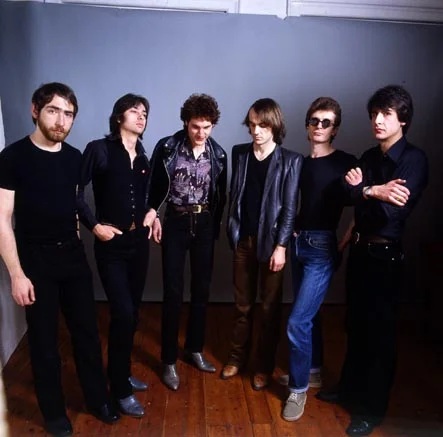
In the 1990s, it found a whole new audience after being used in a Dutch advertising campaign, even hitting No. 1 in the Netherlands years after its original release. Then came its inclusion in films like “Boogie Nights” and later “Anchorman 2”, plus appearances in TV shows like “The Walking Dead”. Each time, it introduced the song to a new generation.
And honestly, it makes sense. There’s something effortlessly cool about it. It’s laid-back but driven, simple but memorable, warm and beautiful. That’s probably why it has lasted. “Driver’s Seat” wasn’t built for trends. It came from a moment of inspiration, went through years of delay, and was shaped by instinct more than strategy. And in the end, that authenticity is exactly what made it timeless. Not bad for a song born in a room with a mouse and a broken night’s sleep.