

In our heavy metal world, where power often surpasses emotion and melody, few vocalists have managed to command the stage with the elegance, technical mastery and emotional depth of Roy Khan. Born Roy Sætre Khantatat in 1970 to a Norwegian mother and Thai father, the celebrated singer has carved out a legacy that transcends the typical “frontman” archetype. From his early days in Norway to becoming the face of symphonic power metal’s most ambitious era, Khan’s journey is one of immense talent, a quiet departure and a triumphant, soulful return. We are so lucky, blessed I would say, that we will have the chance to witness a live show of Roy Khan, who is visiting our country as a solo artist, on April 17th in Athens! Read the following thoughtful lines and secure your ticket for this eagerly expected live experience.
by Dimitris Zacharopoulos
live photos of Roy Khan from Rock Hard Festival Greece 2025 by Iro Kalligeri (@irokalligeriphotography)
Roy Khan’s musical identity was forged in a unique fire. Unlike many of his peers, who grew up solely on a diet of Iron Maiden and Judas Priest, Khan brought a formal discipline to his craft. After being “discovered” singing Heart’s “Alone” in a school shower, he pursued three years of operatic study. This classical training became his secret weapon. It gave him a range that felt effortless—a velvety baritone that could soar into crystalline head voice without ever losing its richness.
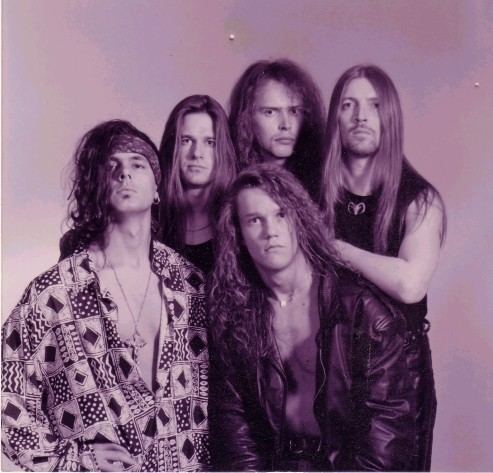
In 1991, he joined Conception. At a time when progressive metal was still finding its footing, Conception was ahead of the others. With Khan at the helm, the band released wonderful albums like “Parallel Minds”, “In Your Multitude” and “Flow”, blending technical complexity with infectious melody. Khan’s voice wasn’t just a tool for the music; it was the centerpiece. His ability to navigate complex time signatures while maintaining a “pop” sensibility in his hooks set him apart immediately.
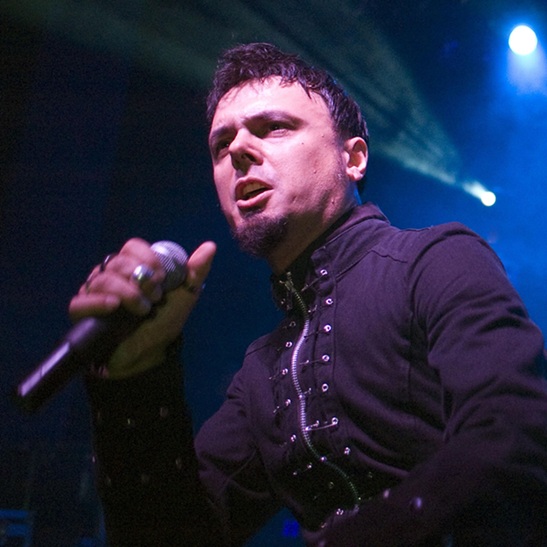
In 1997, a pivot occurred that would change the landscape of melodic metal. Guitarist Thomas Youngblood, the founder of the American power metal band Kamelot, invited Khan to join. What followed was a decade-long partnership that produced some of the most influential albums in the genre. Beginning with “Siége Perilous” and reaching a creative zenith with the “Epica” and “The Black Halo” duology, Khan and Youngblood redefined symphonic/melodic power metal. Khan’s contribution was more than just his voice; he became a primary songwriter. Together, they moved away from generic “dragons and swords” tropes toward theatrical, philosophical and deeply human storytelling. His performance on tracks like “Center of the Universe” and “The Haunting” showcased a theatricality that felt sincere rather than campy. On stage, he was a “quiet” giant. He didn’t need pyrotechnics; he had presence. Dressed in his signature black coat, he moved with a measured, almost regal grace that earned him the nickname of one of metal’s most charismatic performers.
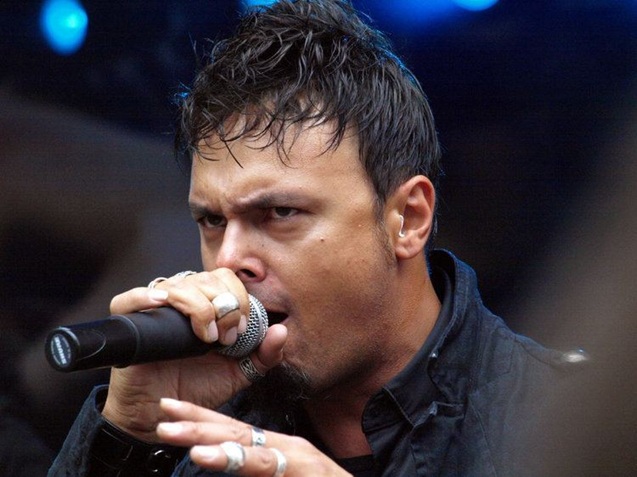
By 2010, the relentless cycle of touring and recording took its toll. After the release of “Poetry for the Poisoned”, a noticeably darker and more melancholic record, Khan hit a wall. Suffering from severe insomnia, depression and burnout, he walked away from the spotlight. His departure in 2011 was a shock to the metal community. For years, the “myth of Roy Khan” grew. While fans speculated about his health or religious shifts, Khan chose a life of quiet service. He joined a local church in Moss, Norway, working as a youth counselor and minister. He traded sold-out world tours for psalm-singing in a small community. For nearly eight years, the voice that had defined an era of metal remained silent to the public, leading many to believe he would never return to the stage.
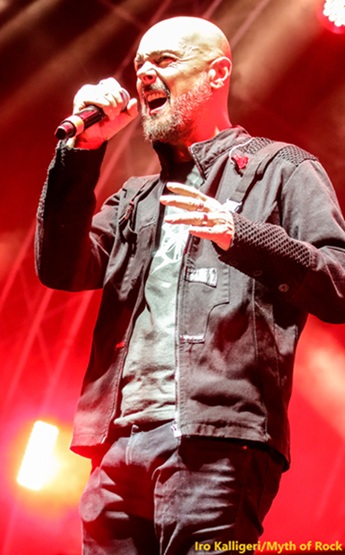
The silence broke on April 1, 2018. When Khan uploaded the solo track “For All” to YouTube, the metal world stood still. It wasn’t a high-octane power metal anthem; it was a stripped-back, haunting piece of music that signaled a man who had found peace. Shortly after, the impossible happened: Conception announced their reunion. The return wasn’t a nostalgia tour cash-in; it was a creative rebirth. The music they released, such as “State of Deception”, showed a matured Khan. His voice had aged like fine wine—deeper, more textured, perhaps more emotive than ever before. He proved that he didn’t need the massive production of Kamelot to be impactful.
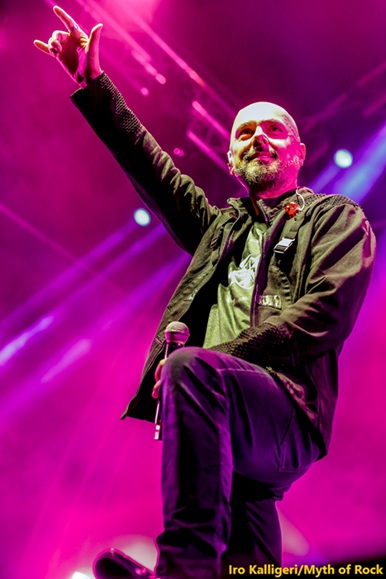
Today, Roy Khan stands as a bridge between worlds. He bridged the gap between opera and metal, between the theatrical and the personal and between the heights of fame and the necessity of self-care. His influence is seen in every modern symphonic metal vocalist who prioritizes “feeling” over “volume”. He taught a generation of metal fans that it was okay to be vulnerable, that a whisper could be more powerful than a shout and that sometimes, the most “metal” thing you can do is walk away to save yourself.
As he works on his upcoming solo material and continues to lead Conception, Khan remains a singular figure. He is a reminder that talent is a gift, but integrity is a choice. Whether he is singing about Faustian bargains or his own spiritual journey, Roy Khan remains the gold standard of the melodic metal voice.
