
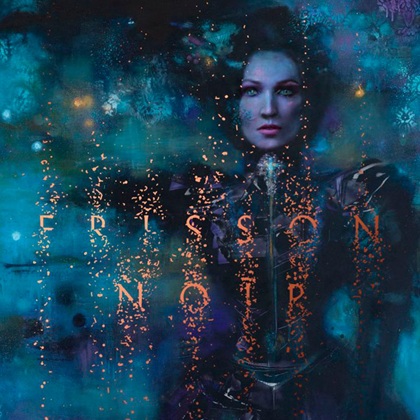
With “Frisson Noir”, Tarja Turunen continues to explore the space between symphonic metal, classical music and more experimental territory. The album is an ambitious and musically dense listen, built around elaborate arrangements, orchestral textures, progressive elements and consistently strong musicianship. There is a great deal happening throughout these compositions, which can be one of the album’s most rewarding qualities but it can also make some sections difficult to follow when too many ideas are introduced without a clear sense of direction. The opening portion is particularly adventurous, frequently moving between piano, orchestration, choir, heavy guitar riffs and Tarja’s unmistakable operatic vocals. Rather than relying on conventional songwriting structures, several compositions feel designed around atmosphere and gradual development. This approach creates some striking moments, but it can also become difficult to follow when ideas are layered without particularly smooth transitions between them. Some sections feel longer than necessary, occasionally revisiting established musical ideas without developing them enough to justify their length. The quieter piano and vocal passages also sound slightly less polished in the mix than the heavier and orchestral sections. There is a noticeable shift as the album moves beyond its midpoint. The compositions become more structured and immediately accessible while retaining the intricate arrangements and high level of musicianship established earlier. This is where the record feels most balanced, allowing its complexity to complement the songwriting rather than overshadow it. Progressive and djent influenced guitar work sits alongside prominent strings, classical guitar and orchestral instrumentation. In certain sections, the traditional Japanese instrument Shamisen is also incorporated into both the riffing and more traditional lead passages, adding an unusual but yet very interesting texture to the arrangements. The instrumental performances are a major part of the record’s identity. Guitar solos are used sparingly, with the few that appear serving more as expressive additions than opportunities for technical display. The string work is particularly effective, while several instrumental passages feel substantial enough to stand independently. In some cases, the music itself is so strong that the vocals seem almost secondary, suggesting that certain sections could have worked equally well as purely instrumental compositions. The collaborations further broaden the album’s palette, with one carrying particular historical significance. Marko Hietala who spent years alongside Tarja as a member of Nightwish, provides a contrasting vocal presence that complements her well. Dani Filth, frontman of the extreme metal band Cradle of Filth, brings an especially unexpected connection to the darker side of metal. Both appearances reinforce the album’s willingness to move outside predictable territory without abandoning its symphonic foundations. Ultimately, “Frisson Noir” is an ambitious record that rewards attention to its details. Its experimental nature can occasionally make it feel overextended or unfocused, particularly in its earlier stages but its later compositions demonstrate a stronger balance between complexity, atmosphere and accessibility. For listeners willing to explore its more unconventional arrangements, there is plenty of musical depth to discover.
♦ 8,5/10
Panos Niko
